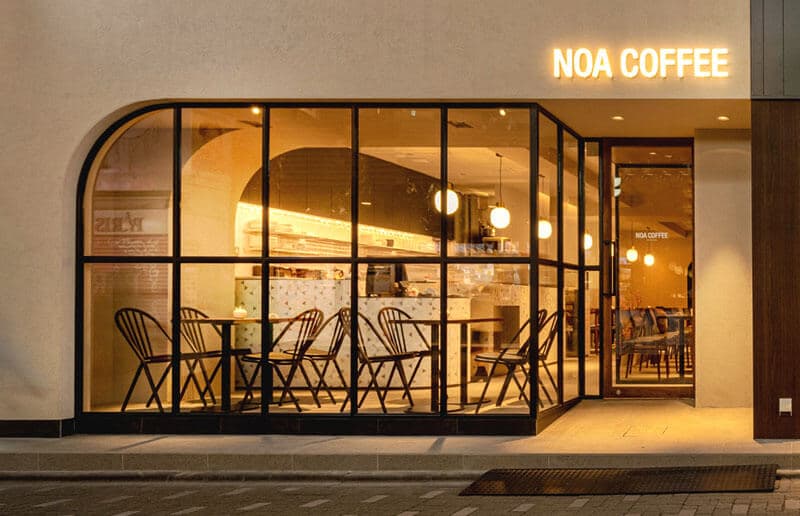
09:00 – 09:30
NOA COFFEE Harajuku - CAFE/sweets/Breakfast
Breakfast
4.4(2K)· Tokyo 150-0001
Tokyo · 2 days · First trip
Two days is not a lot of time for a city this size, but it is plenty for a first, confident taste of Tokyo. This itinerary skips the deep-cut detours and stitches together the essentials — the great gardens and shrines, one show-stopping view, a legendary food market and Tokyo's oldest temple — at a pace that leaves room to actually enjoy them.
The plan splits the city cleanly. Day one keeps you on the west side, flowing from Harajuku and Shinjuku greenery to the rooftops of Shibuya. Day two heads east into older Tokyo, trading the morning bustle of Tsukiji for a grand museum and the temple-and-shrine calm of Asakusa. Each day clusters its stops so you spend your time in places, not in transit.
Best of all, it is ready to go: you can open this exact trip in the Wayfaro app and regenerate it for your own dates, tweaking as you like before you fly.
This is a real itinerary generated by Wayfaro. Open it in the app to regenerate it for your own dates and preferences.
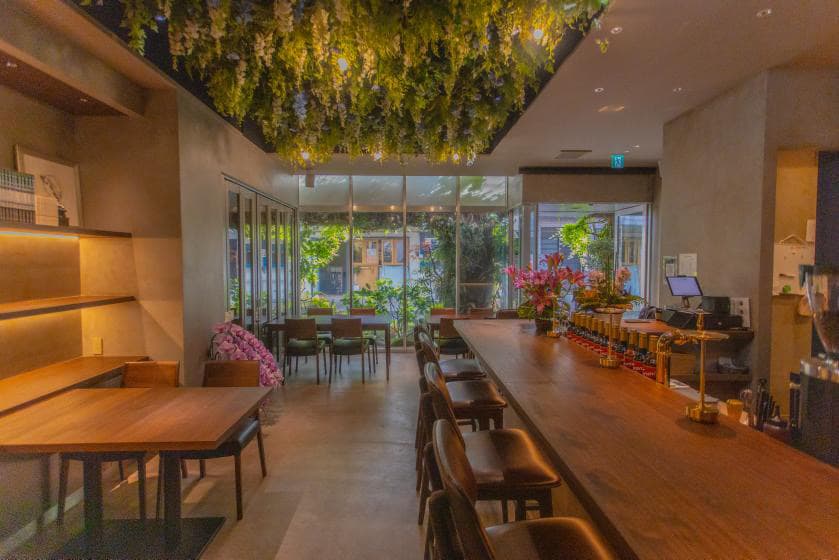
The day starts easy with coffee and something sweet at NOA COFFEE Harajuku, a gentle way to shake off the jet lag before the walking begins. From there you slip into Shinjuku Gyoen National Garden, 144 acres of lawns, themed gardens and a greenhouse that make an ideal first-morning reset. A short move brings you to Meiji Jingu, a venerable Shinto shrine wrapped in dense forest — doing these two green spaces back to back, while the morning is still cool and quiet, is the whole point of the sequence.
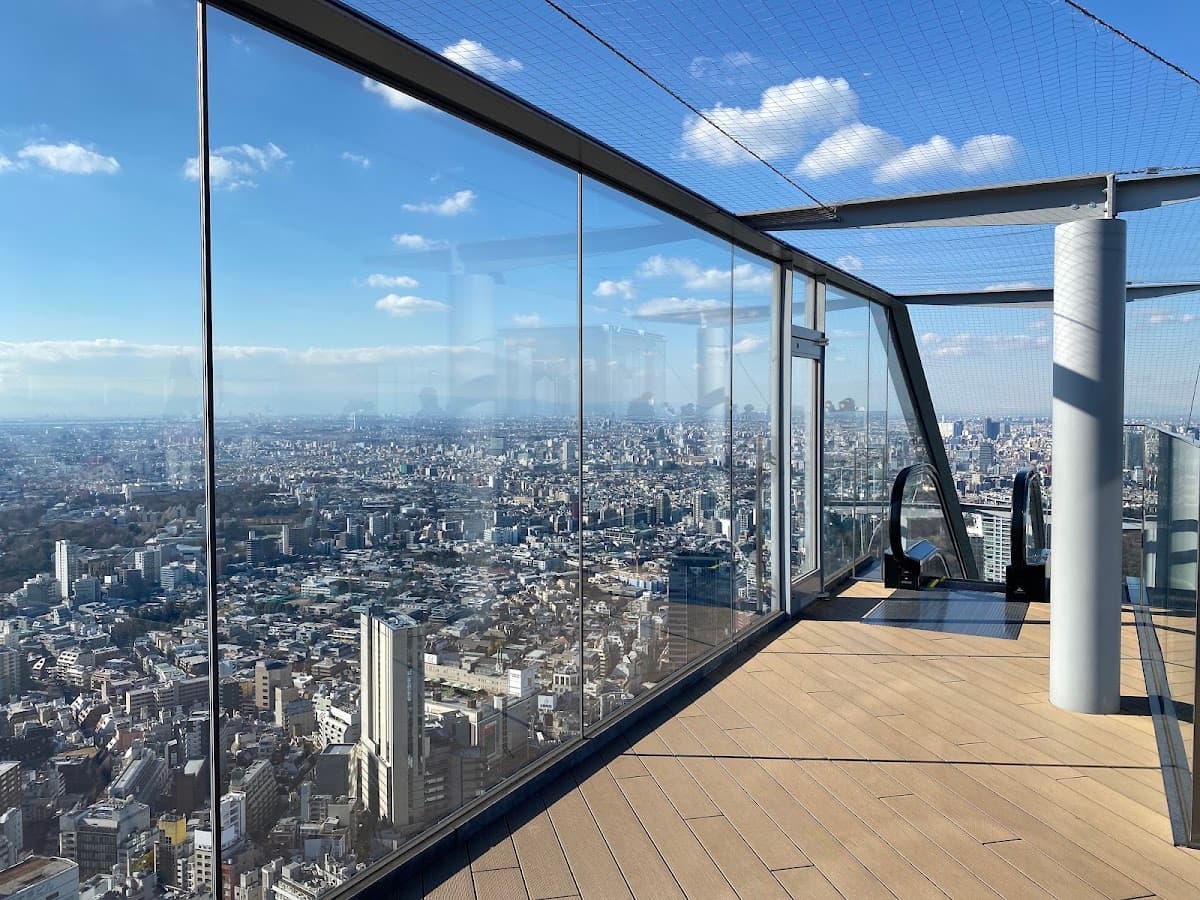
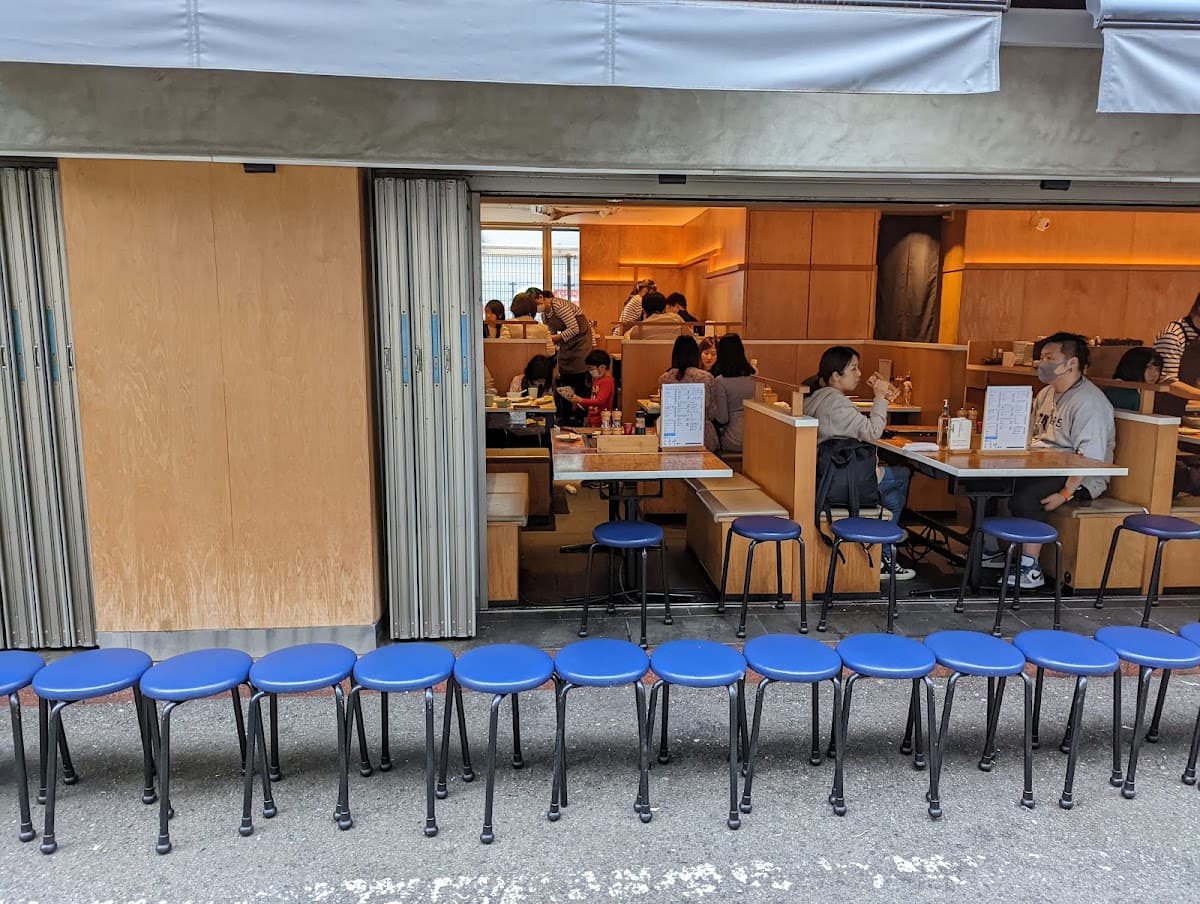
Midday leans into food: a hot-pot lunch at Momo Paradise Shinjuku Higashi-guchi, then a coffee pause at i2 cafe to recharge. With energy topped up, you head to Shibuya Sky, the 360-degree open-air deck on the roof of Shibuya Scramble Square, saved for the afternoon when the city sprawls out best. The day ends at street level with monja over dinner at Tsukishima Monja Kuuya Shibuya, keeping everything on Tokyo's west side so you are never doubling back.
09:00 – 09:30
4.4(2K)· Tokyo 150-0001
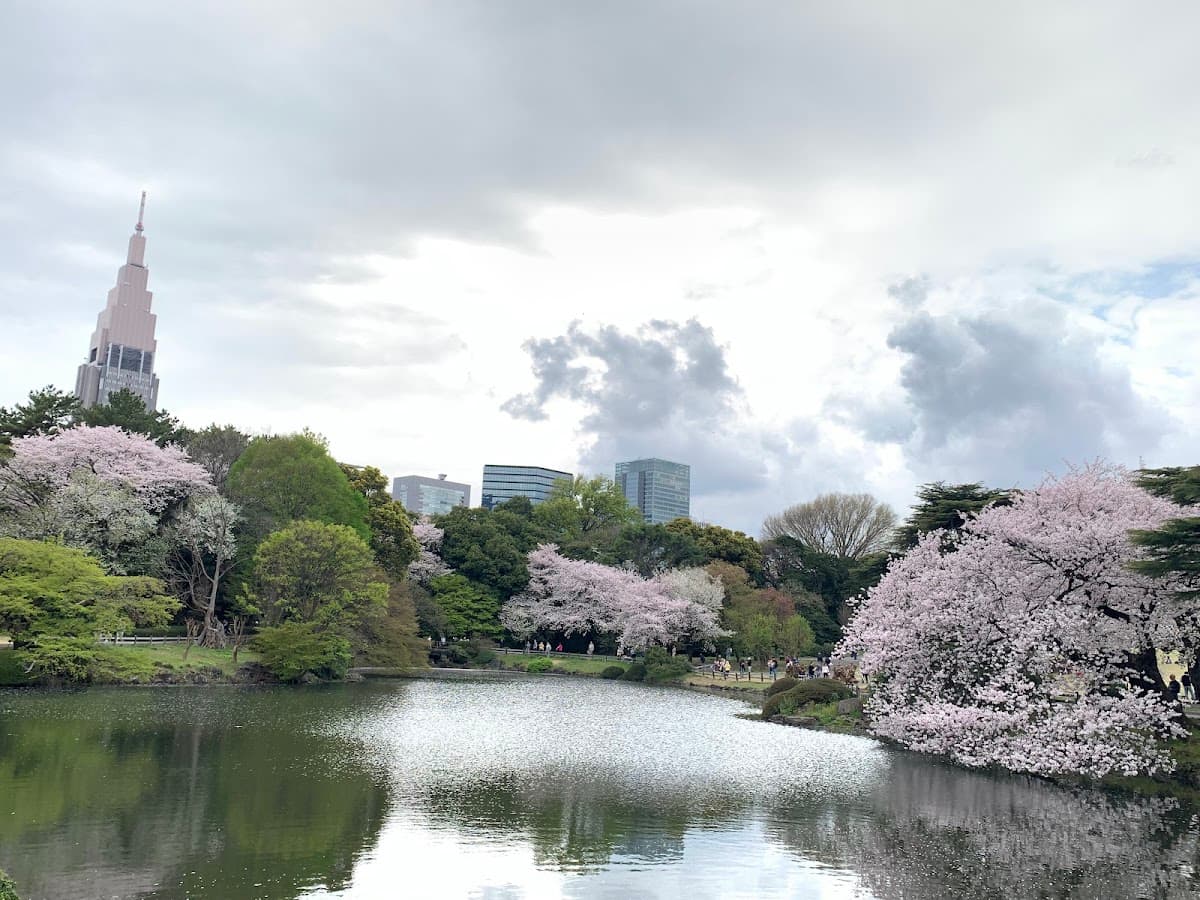
10:00 – 10:45
4.6(45K)· Tokyo 160-0014
This former estate is now a 144-acre park with diverse garden areas, grassy expanses & a greenhouse.
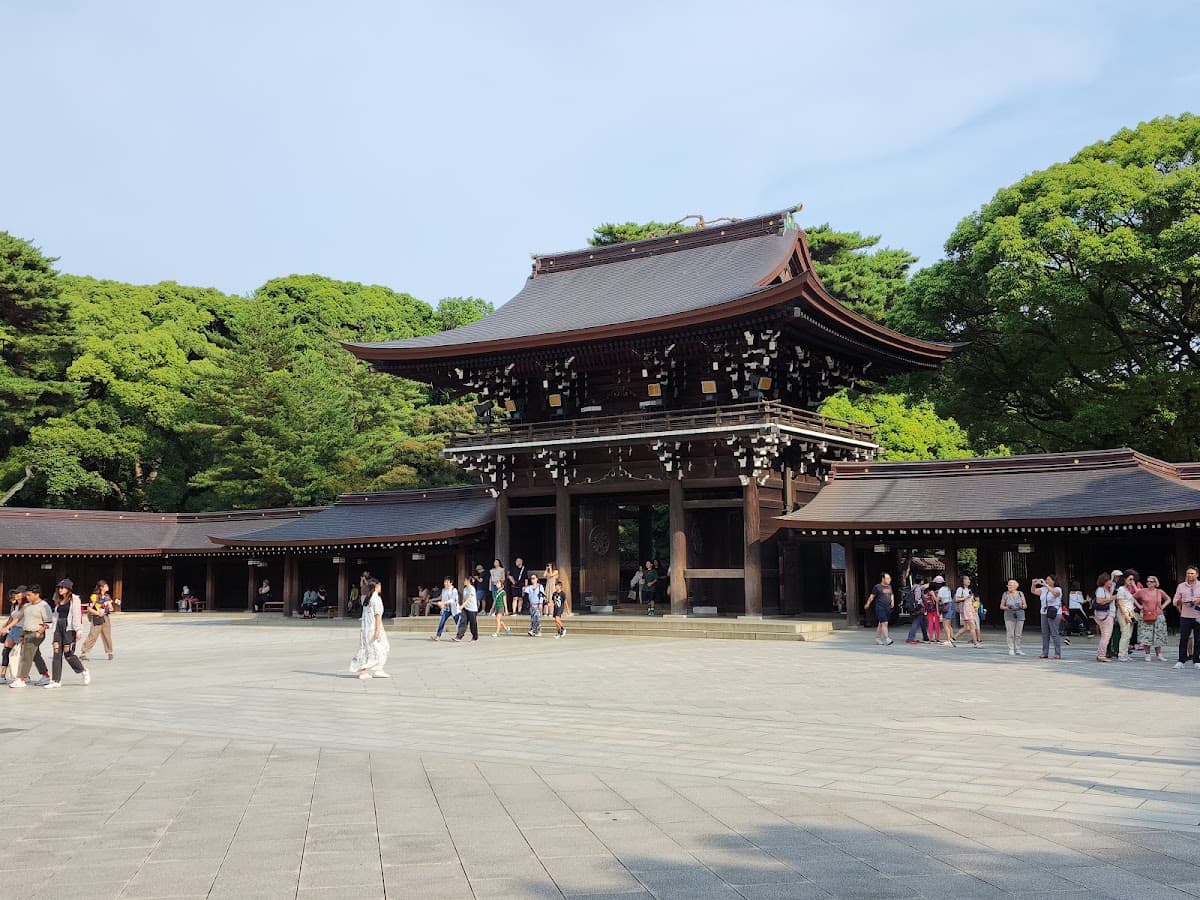
11:15 – 12:00
4.6(52K)· Tokyo 151-8557
Surrounded by forest, this venerable Shinto shrine features a seasonal iris garden.
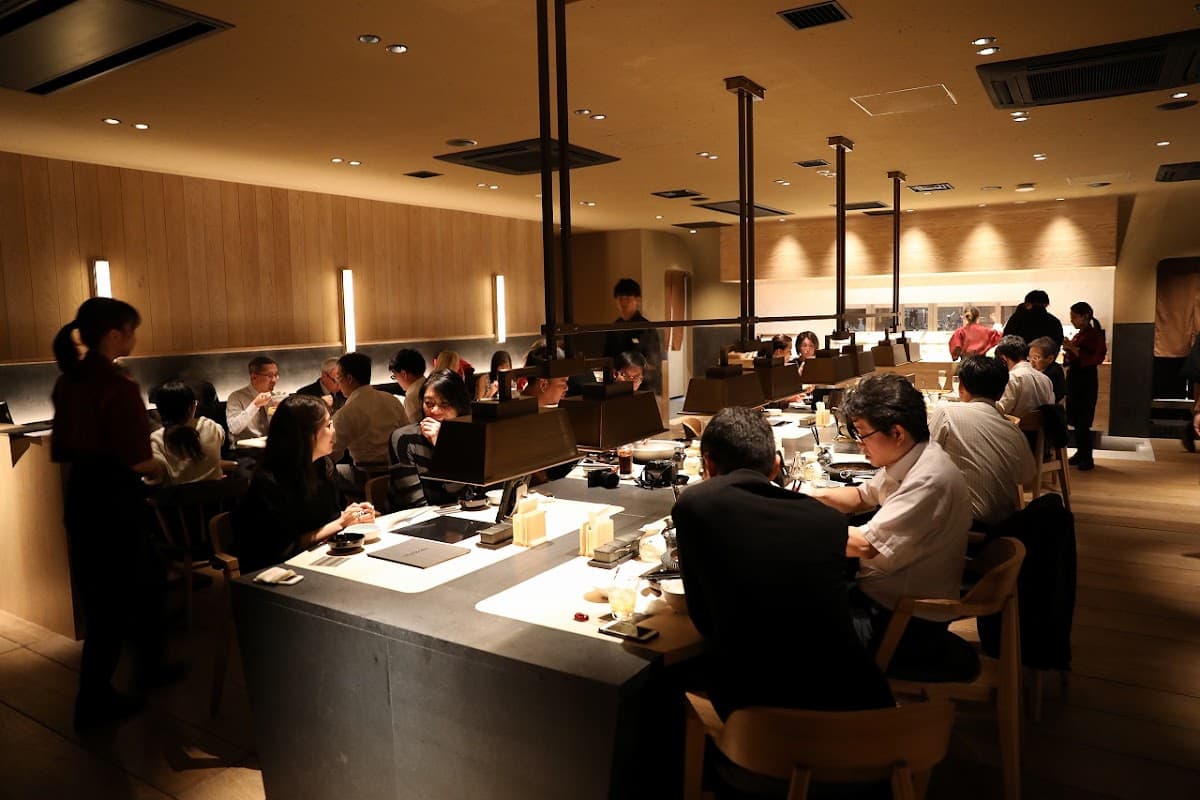
12:30 – 13:30
4.9(12K)· 3-chōme−28−10 ヒューマックスパビリオン新宿東口 3F・4F
14:45 – 15:15
4.8(1.3K)· 3-chōme−9−1 ABlim 1f
16:15 – 17:00
4.6(26K)· 2-chōme−24−12 スクランブルスクエア 14階・45階 46階・屋上
A 360° open-air observation deck located on the roof of the Shibuya Scramble Square skyscraper.
18:30 – 19:30
4.8(18K)· 1-chōme−25−6 パークサイド共同ビル 1F
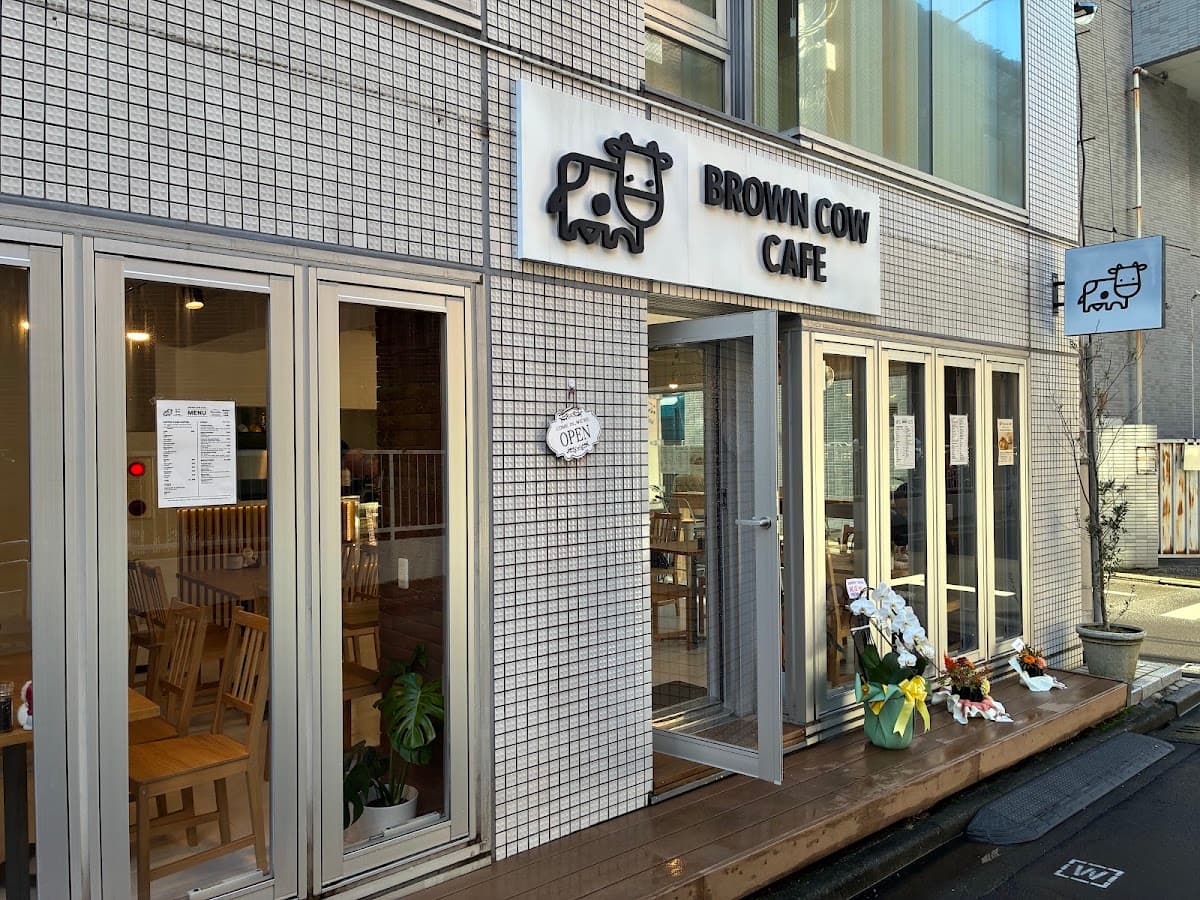
Day two opens gently again, with coffee at Brown Cow Cafe before the market crowds build. Then it is straight into the Fish Market Tsukiji Outer Market, a sprawling warren of seafood stalls with viewing areas for the famous tuna auction — best experienced in the morning when everything is freshest and liveliest. Lunch stays in the neighborhood at Tsukiji Itadori Bekkan, so you eat where the food is at its peak rather than wandering off in search of it.
The afternoon shifts to culture. The Tokyo National Museum gathers the country's art and antiquities under one grand roof, a calm indoor counterpoint to the morning market. From there you move into old Tokyo: Sensō-ji, the city's oldest temple, built to honor Kannon the goddess of mercy, sits beside Asakusa Shrine, a stately Shinto shrine in the same complex. The day closes with a warm Japanese dinner at Washoku Gyuuna yadoki Asakusa, a fitting end to two days that balance gardens, views, markets and shrines.
09:00 – 09:30
4.9(999)· Tokyo 104-0045
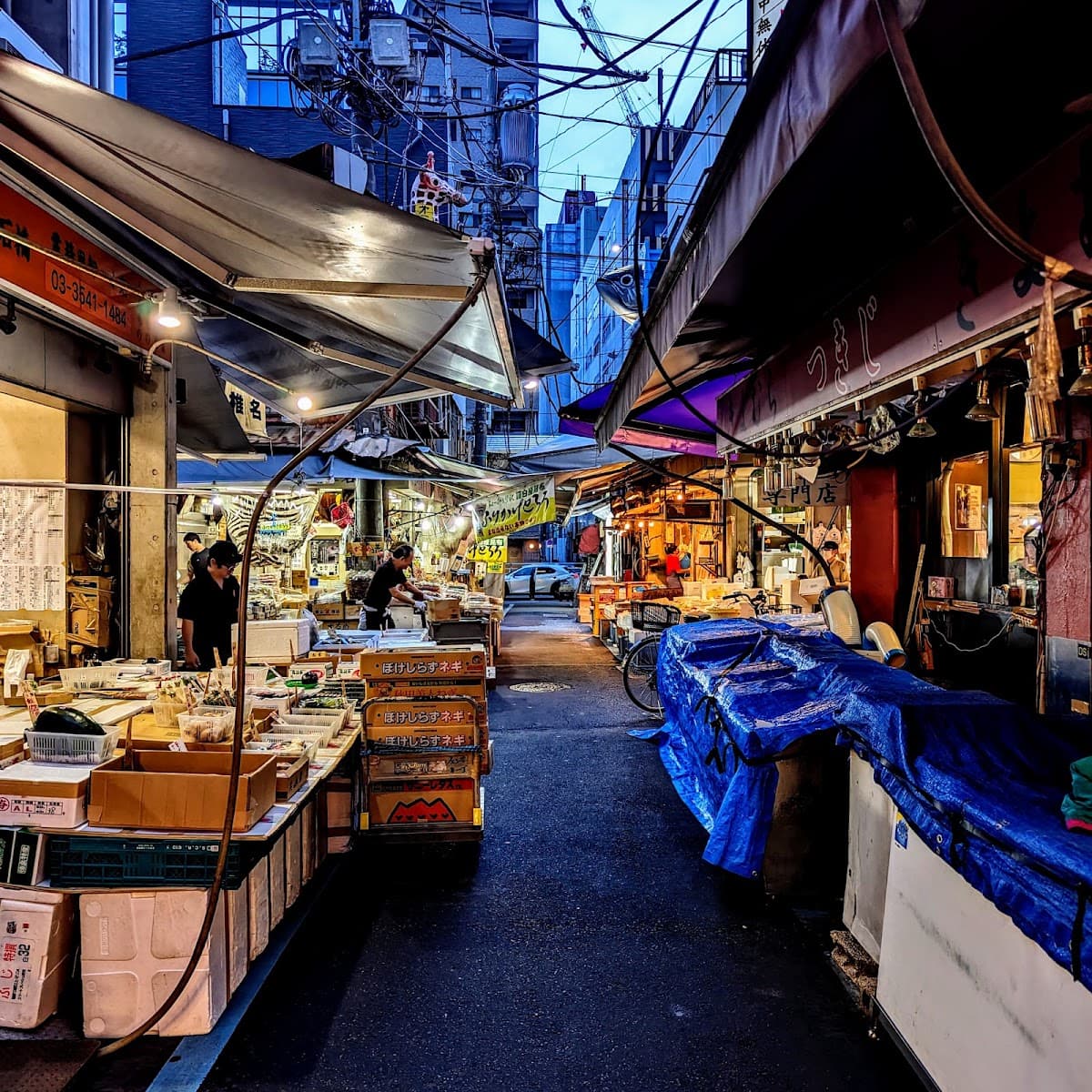
10:00 – 10:45
4.2(56K)· 4-chōme−16 および6丁目一部
Sprawling wholesale fish market with an array of seafood & viewing areas for a popular tuna auction.
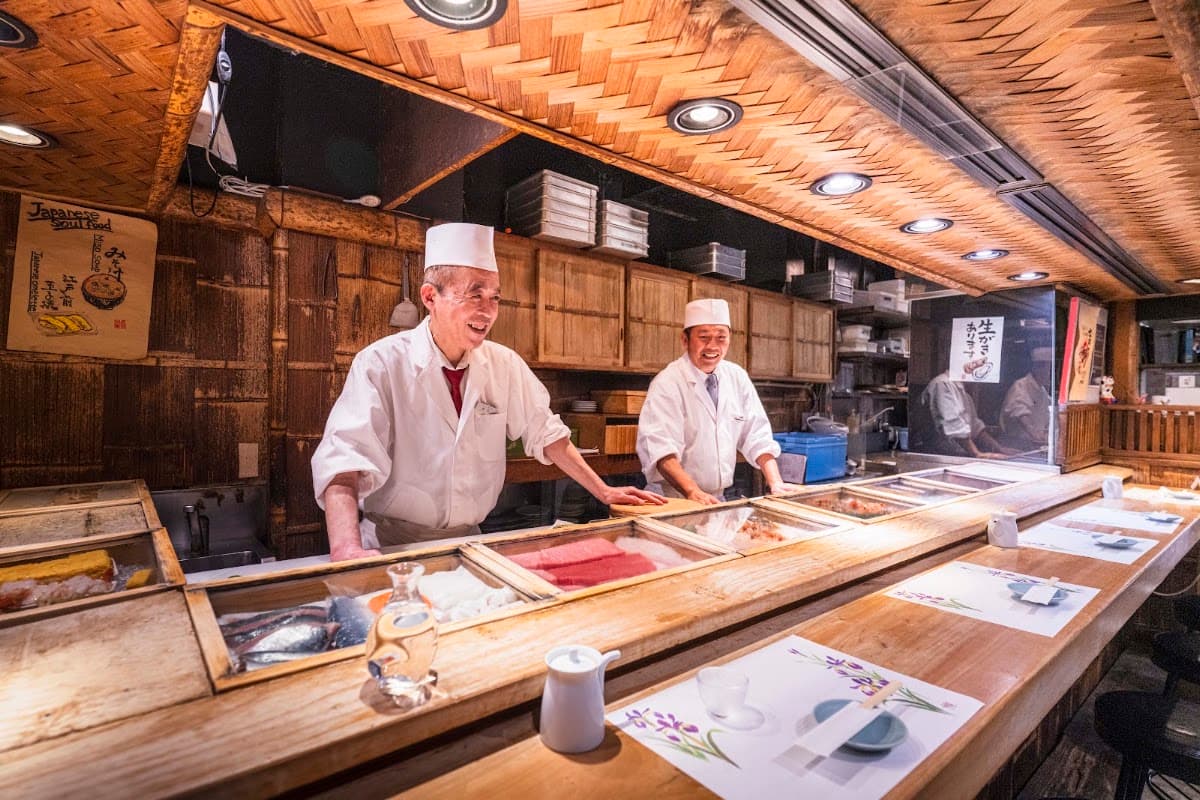
12:00 – 13:00
4.5
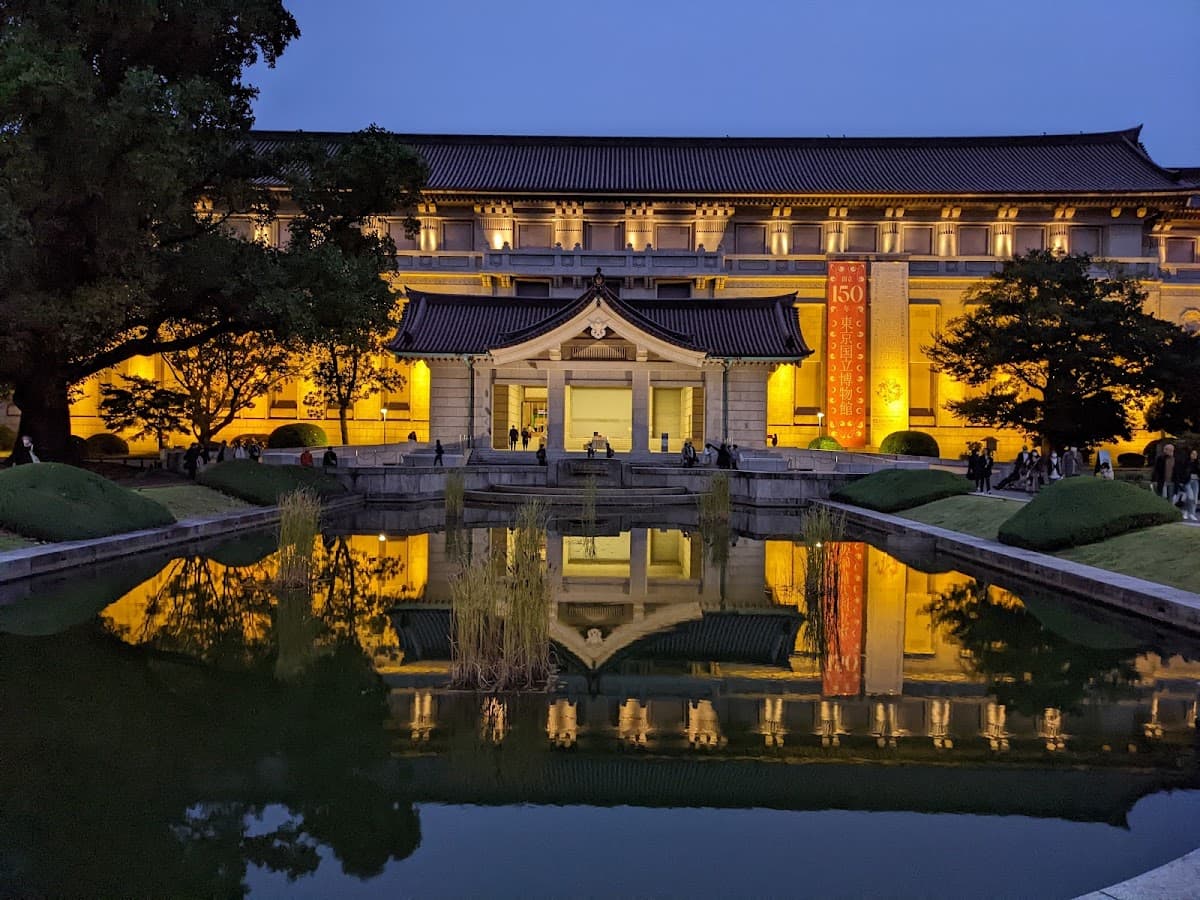
14:00 – 15:15
4.5(31K)· Tokyo 110-8712
Stately museum complex devoted to the art & antiquities of Japan, as well as other Asian countries.
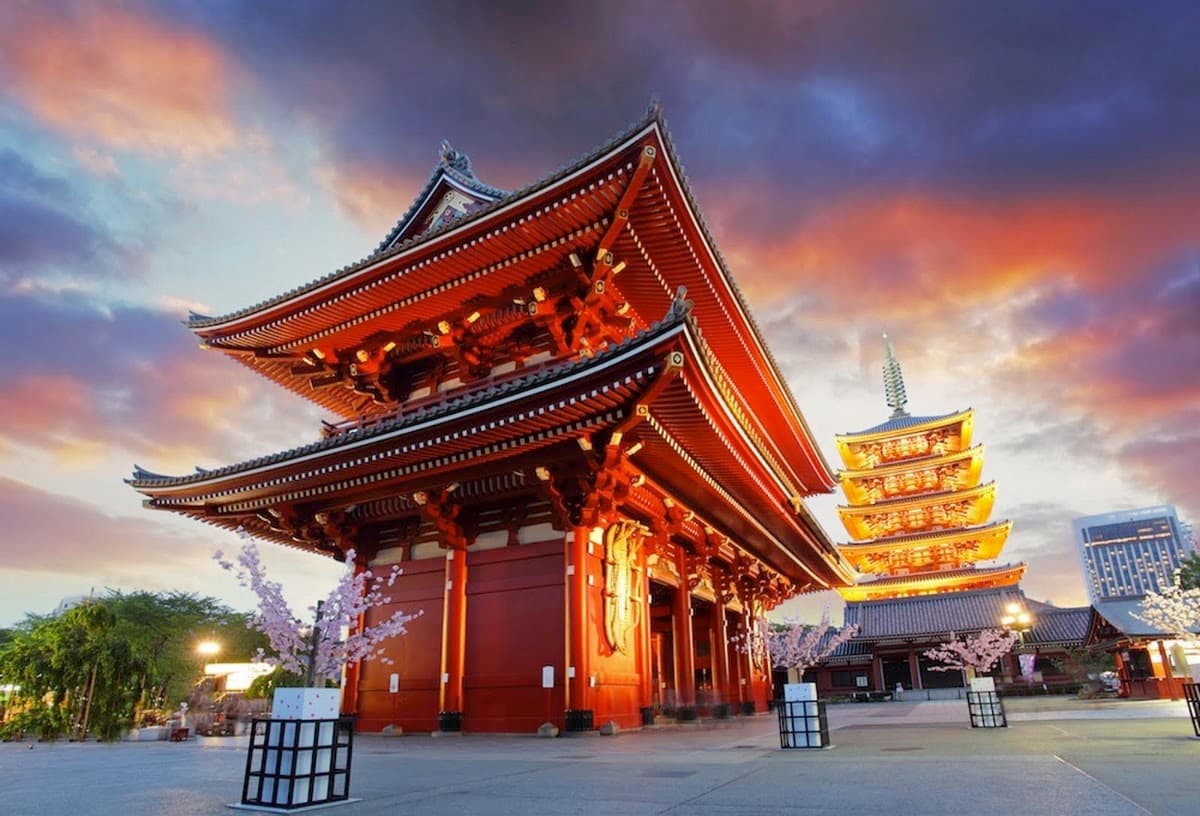
16:00 – 16:45
4.6(97K)· Tokyo 111-0032
Completed in 645, this temple, Tokyo's oldest, was built to honor Kannon, the goddess of mercy.
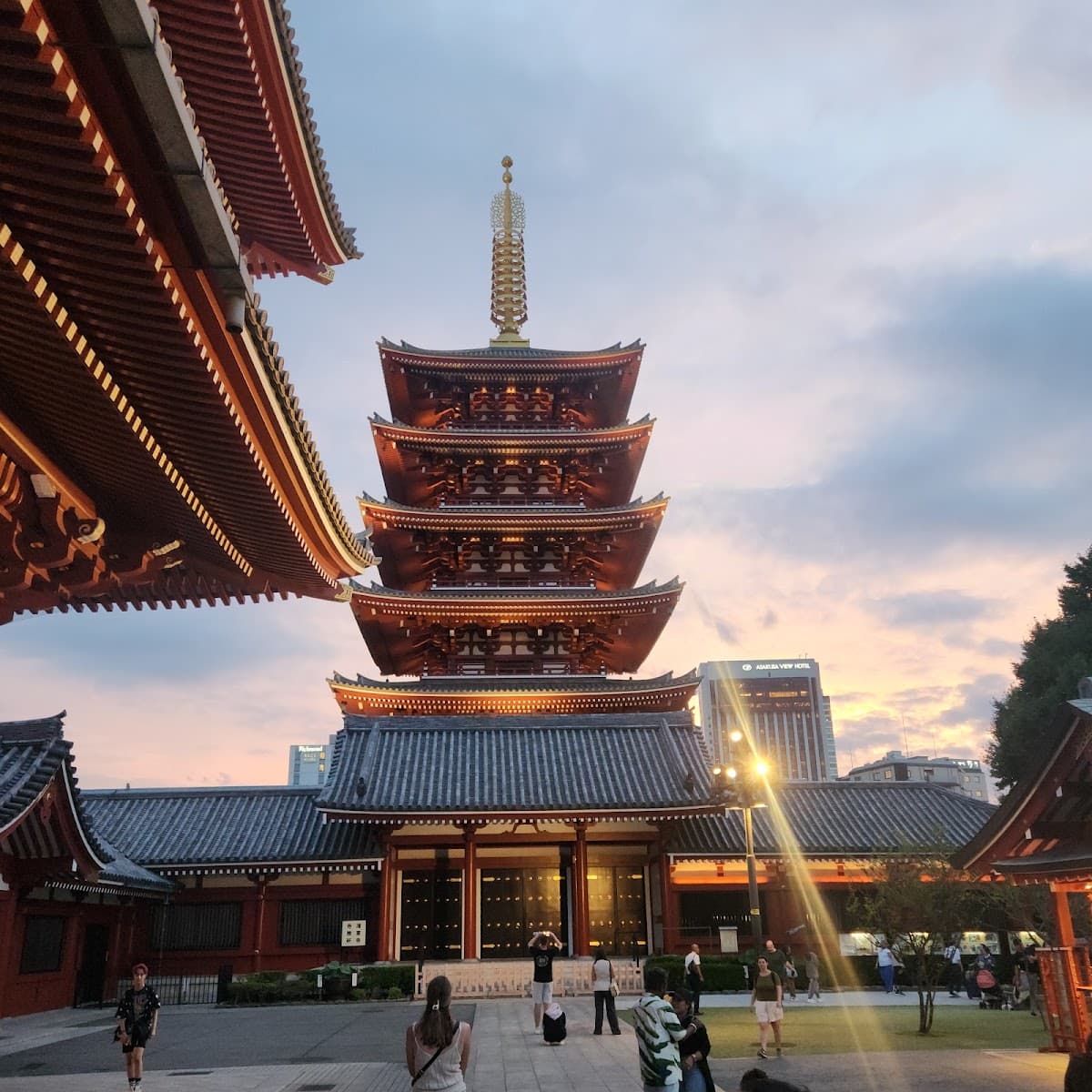
16:45 – 17:30
4.5(5.2K)· Tokyo 111-0032
Prominent 1649 Shinto shrine set in a temple complex & hosting the Sanja Matsuri festival in May.
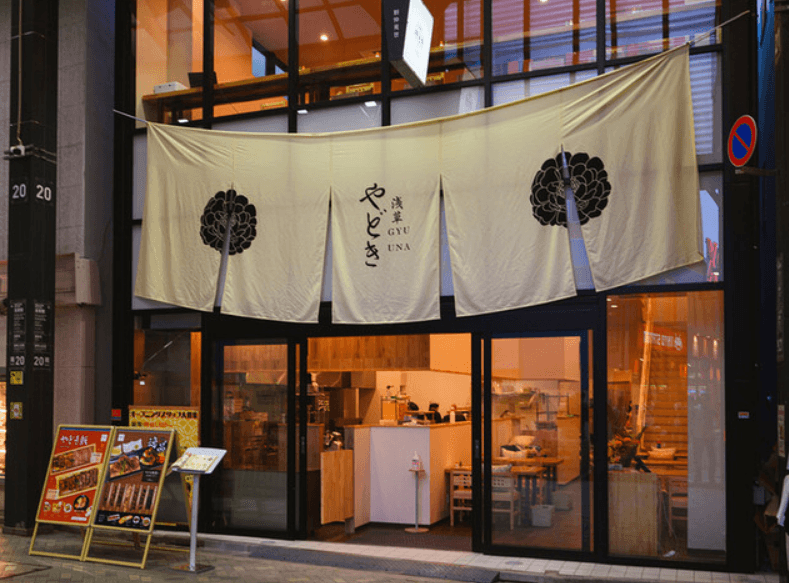
19:00 – 20:00
4.7
Tokyo is a rewarding city in every season, though spring and autumn are the crowd favorites for their mild days and easy walking weather. Spring brings soft blossom and gentle temperatures, while autumn cools the air and turns the parks golden — both are ideal for the garden-and-shrine mornings on this plan. Summer runs hot and humid and winter stays crisp and bright, each with its own quieter charm and thinner crowds at the big sights. Whichever season you choose, this two-day itinerary works year-round.
For a first trip, two days is enough to hit the essentials without feeling rushed. This plan pairs green mornings at Shinjuku Gyoen and Meiji Jingu with an afternoon at Shibuya Sky on day one, then markets, a grand museum and the old-town shrines of Asakusa on day two. It is a confident highlights reel at a humane pace — you will leave satisfied, with a clear shortlist of reasons to come back.
Tokyo is best covered on foot within each neighborhood and by train between them. Each day here clusters its stops so the walking stays reasonable and the transit hops are short.
The one worth reserving is Shibuya Sky, whose timed-entry slots for the open-air deck can sell out at peak hours. The gardens, shrines, market and restaurants are all walk-up.
Yes. You can open this exact trip in the Wayfaro app and regenerate it for your own dates, so the plan fits whenever you are traveling.
Tokyo · 3 days
3 Days in Tokyo: The Perfect First-Timer ItineraryTokyo · 4 days
4 Days in Tokyo: The First-Timer ItineraryTokyo · 5 days
5 Days in Tokyo: The Perfect First-Timer ItineraryTokyo · 7 days
7 Days in Tokyo: The Perfect First-Timer ItineraryTell Wayfaro how you travel and get a personalized day-by-day itinerary in minutes.
 Coming soonGoogle Play